Paddle Board
Project Description
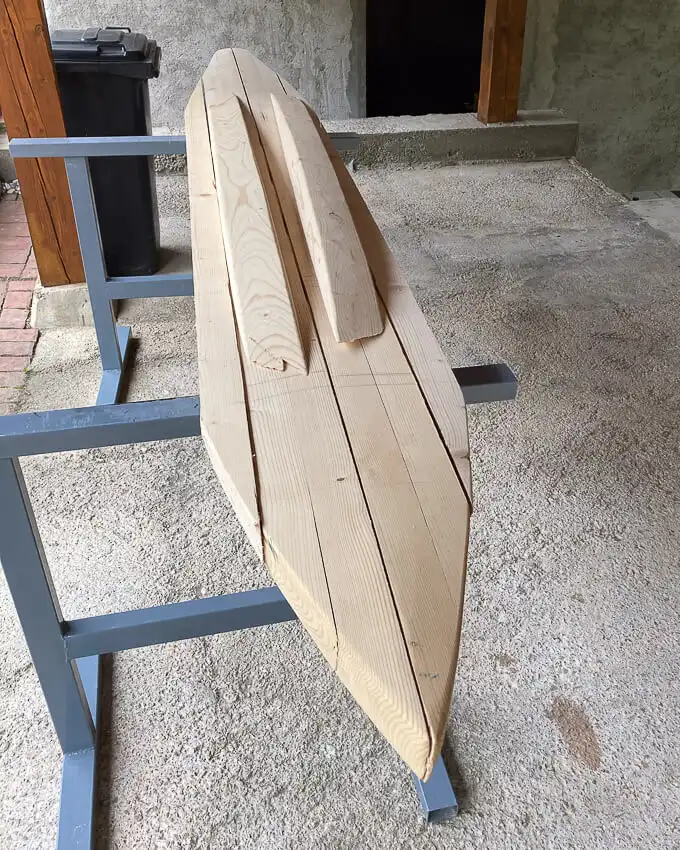
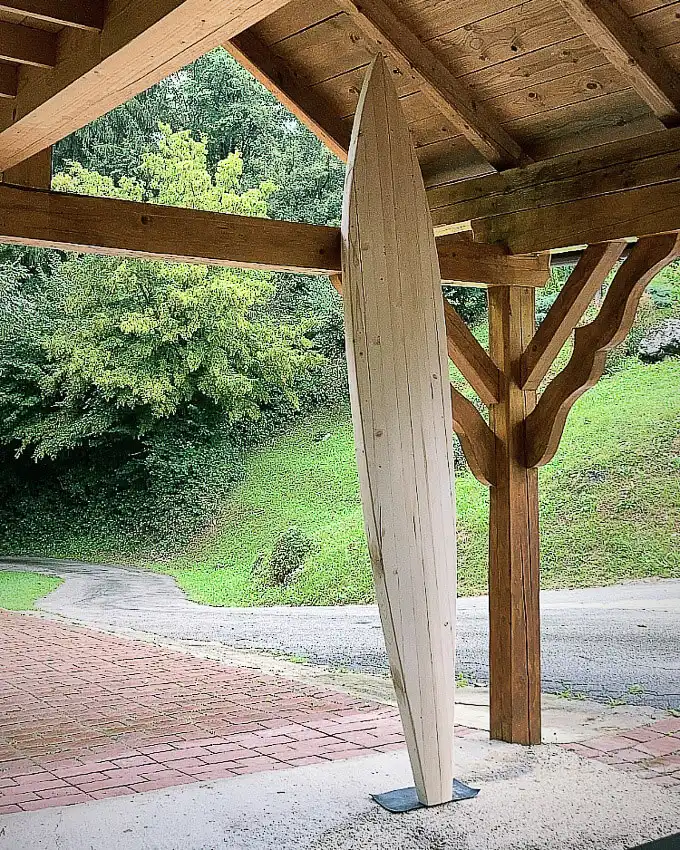
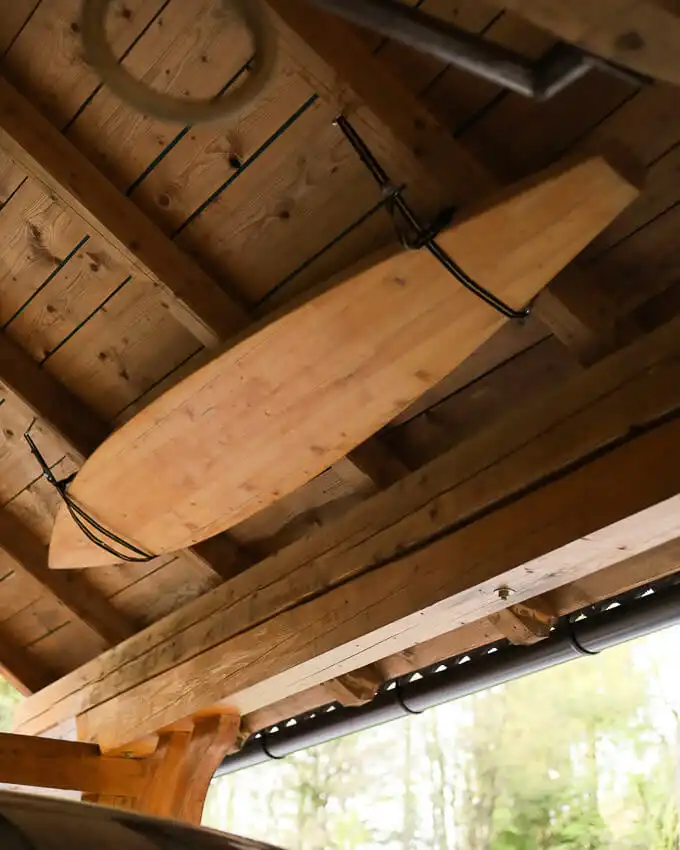
I built a wooden paddle board (9'10" x 24" x 3.9").
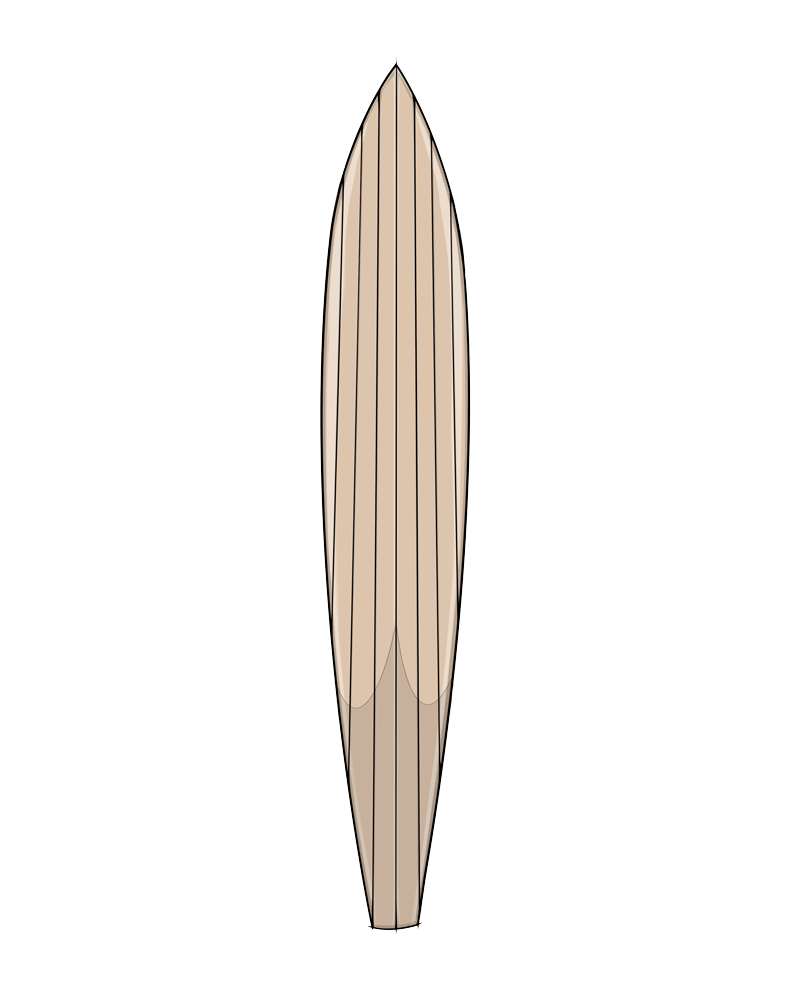
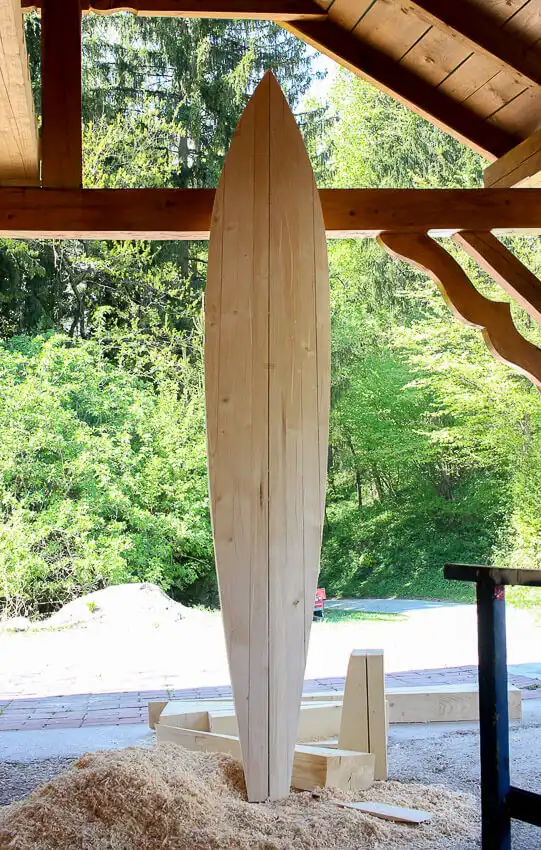
The project was partly inspired by the paddle boards used in the movie Chasing Mavericks, in which Jay and Frosty used them to paddle out and train for the big waves.
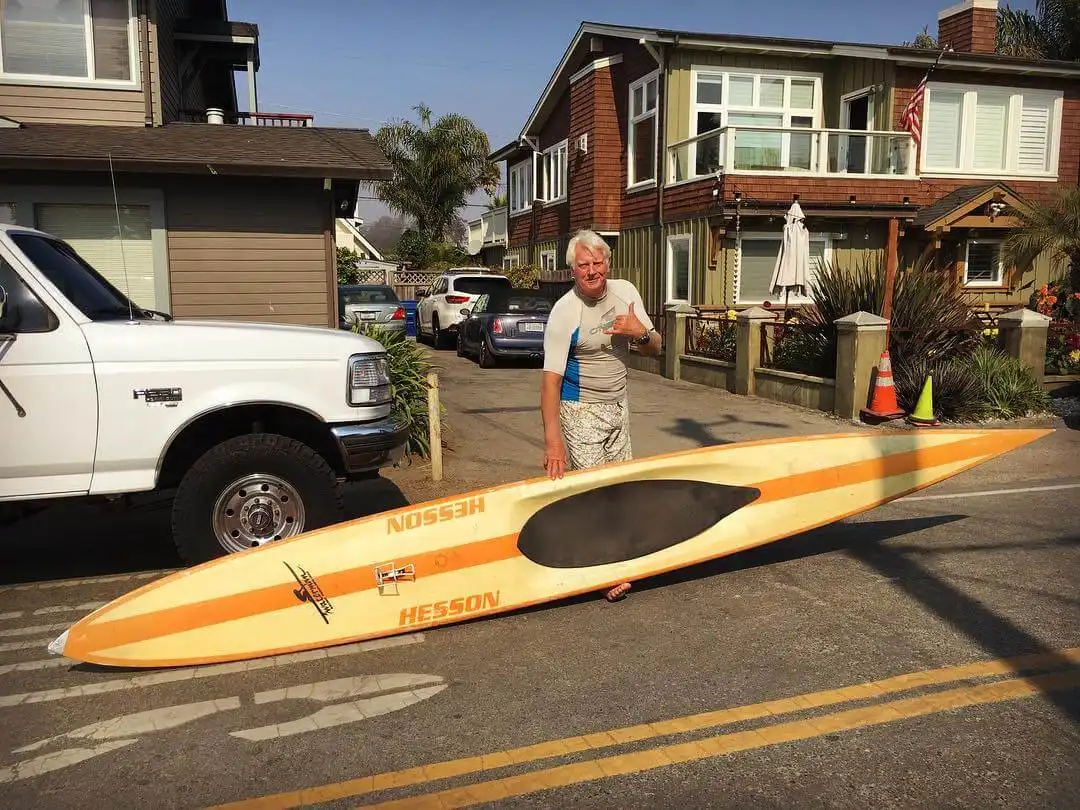
Paddle Board from Chasing Mavericks
Building the Board
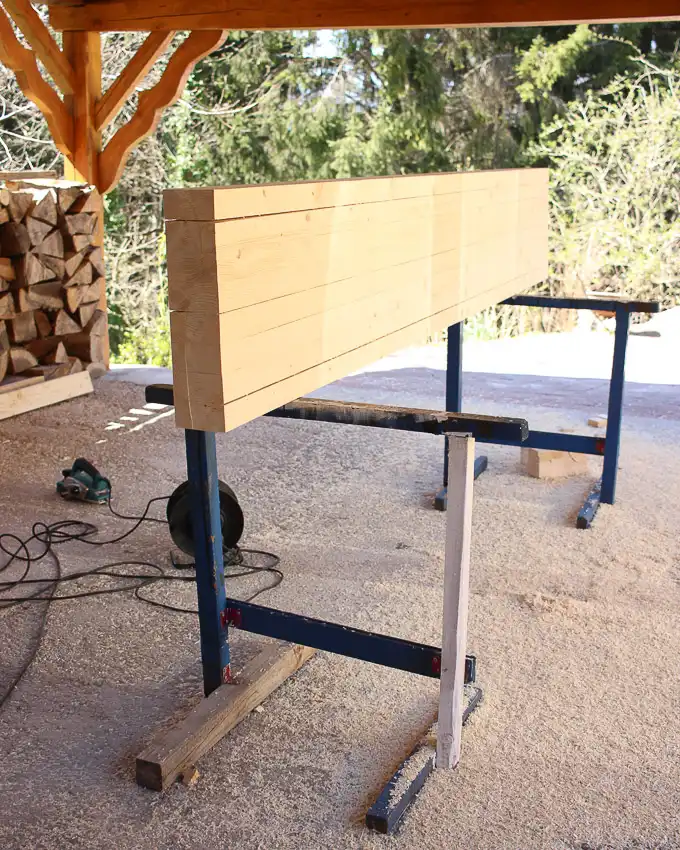
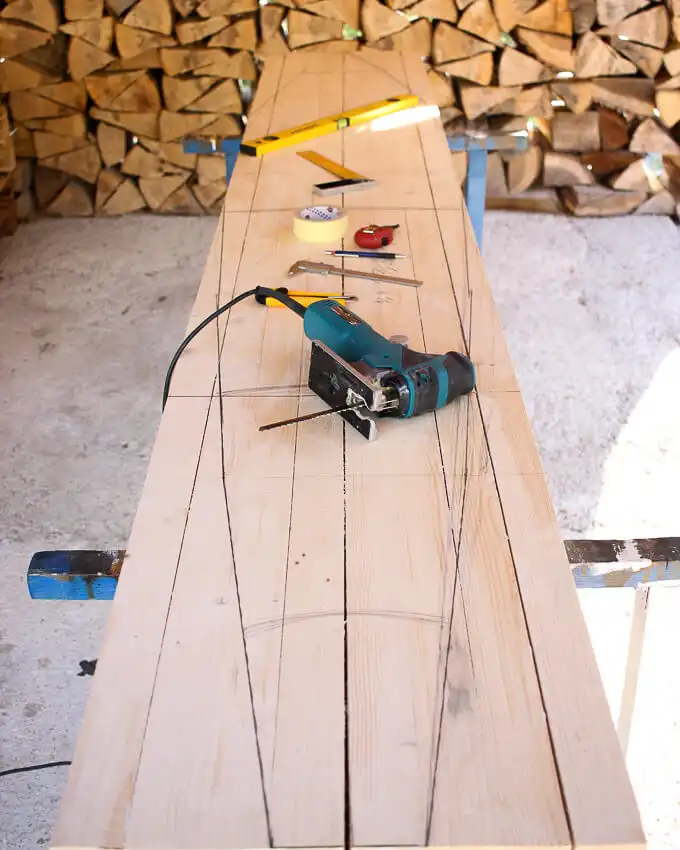
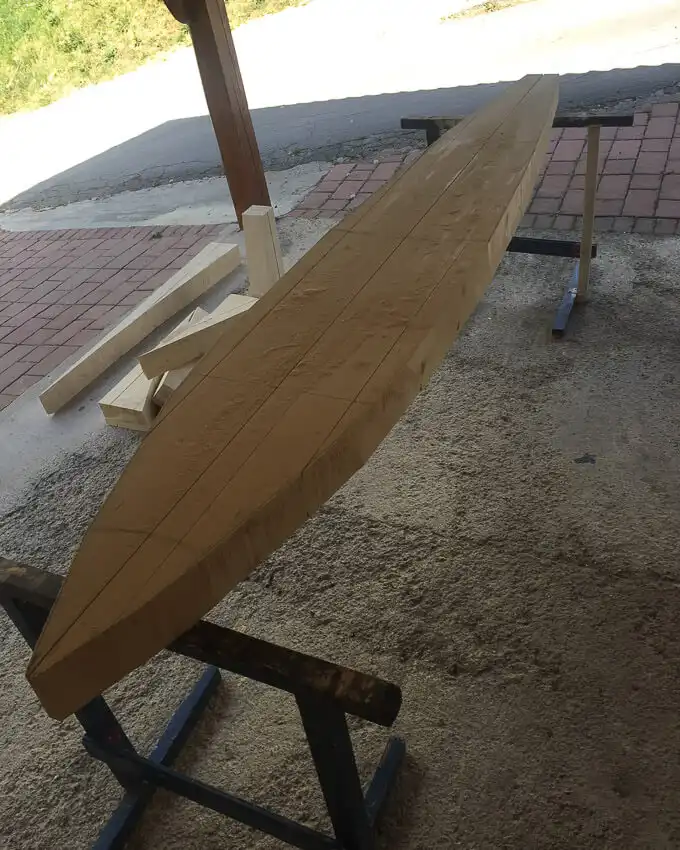
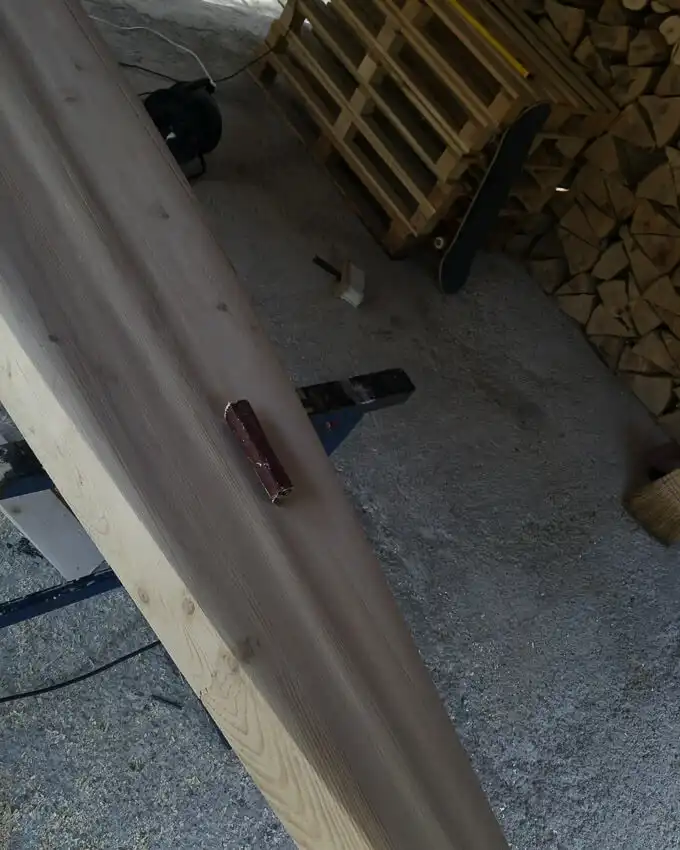
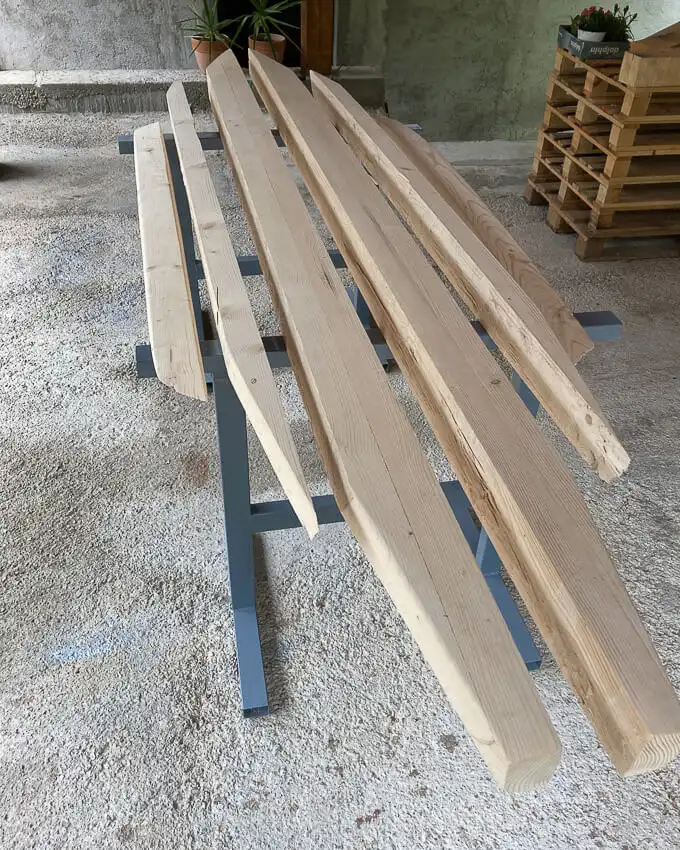
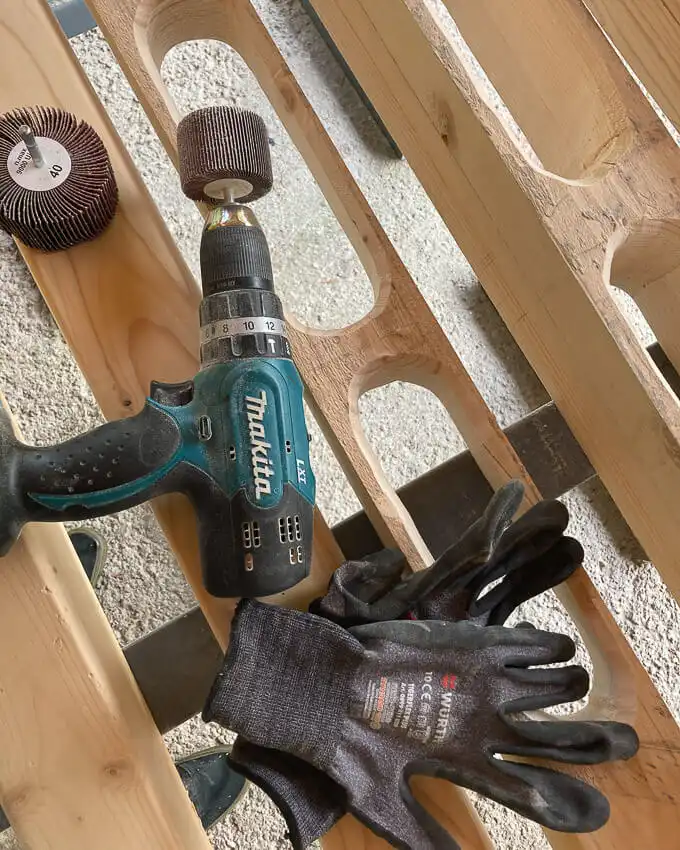
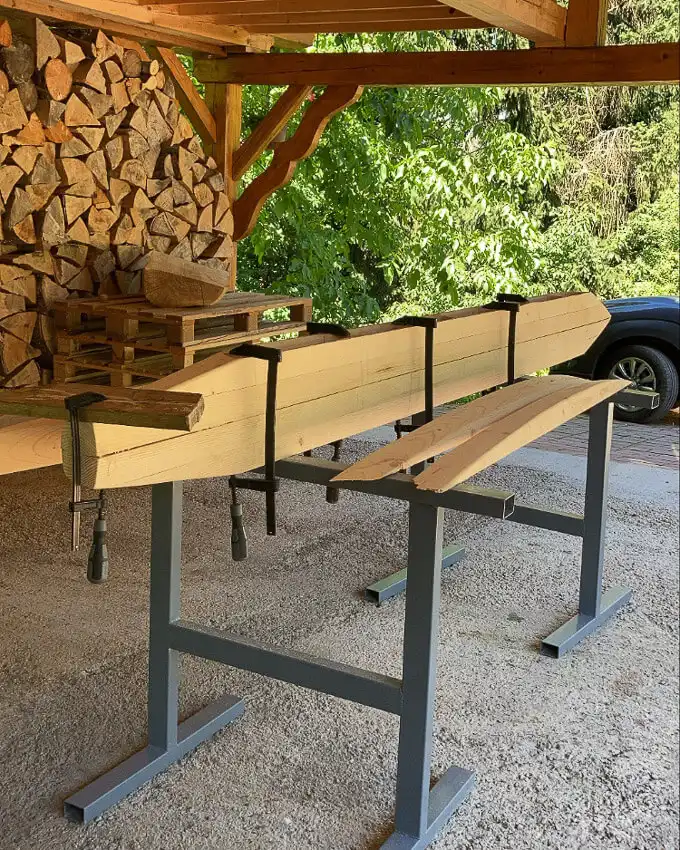
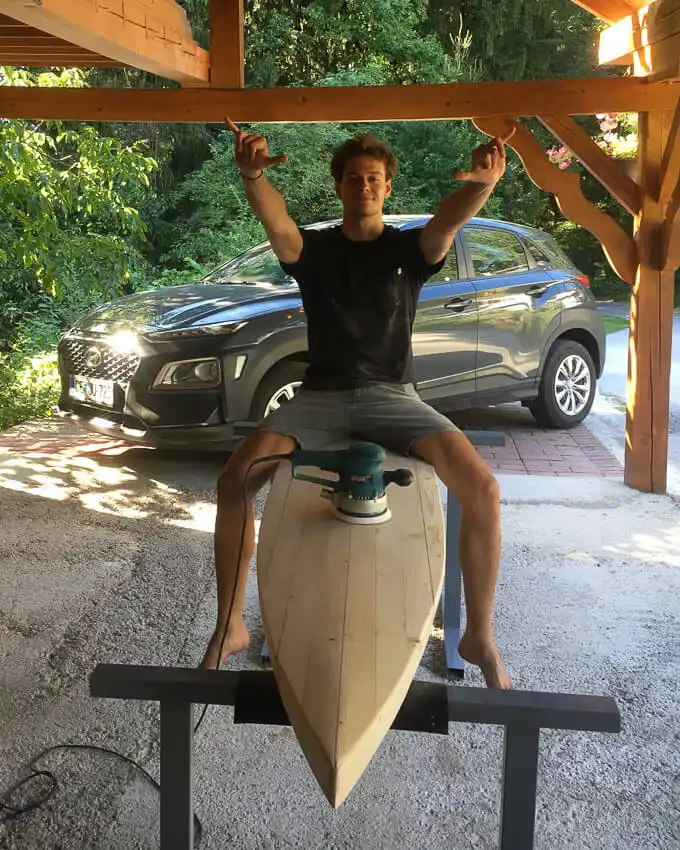
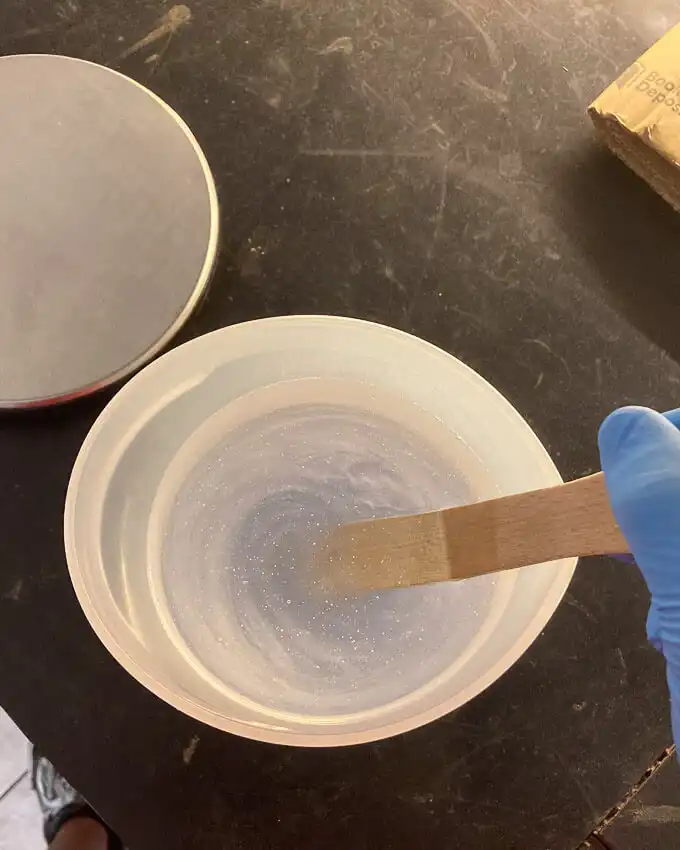
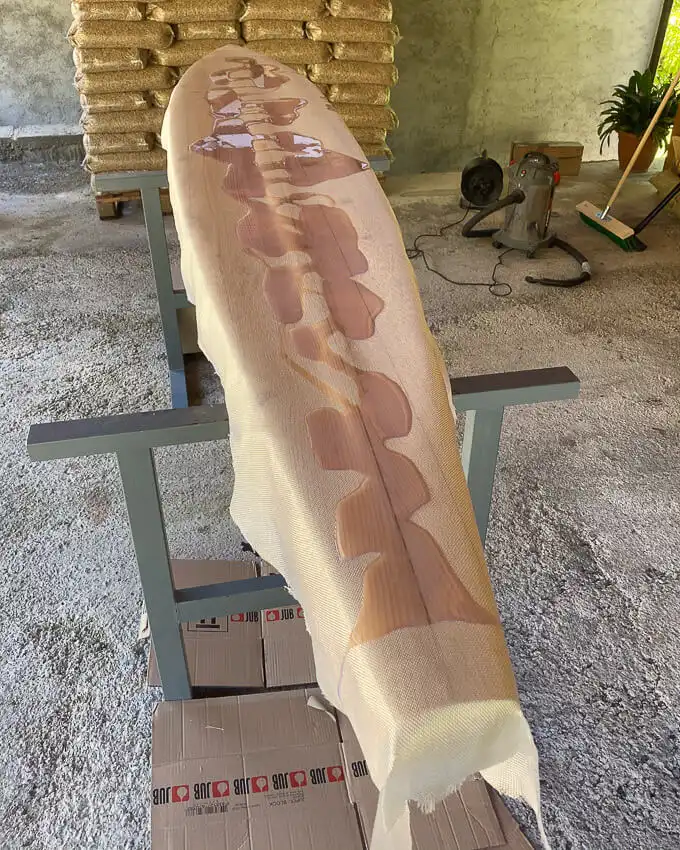
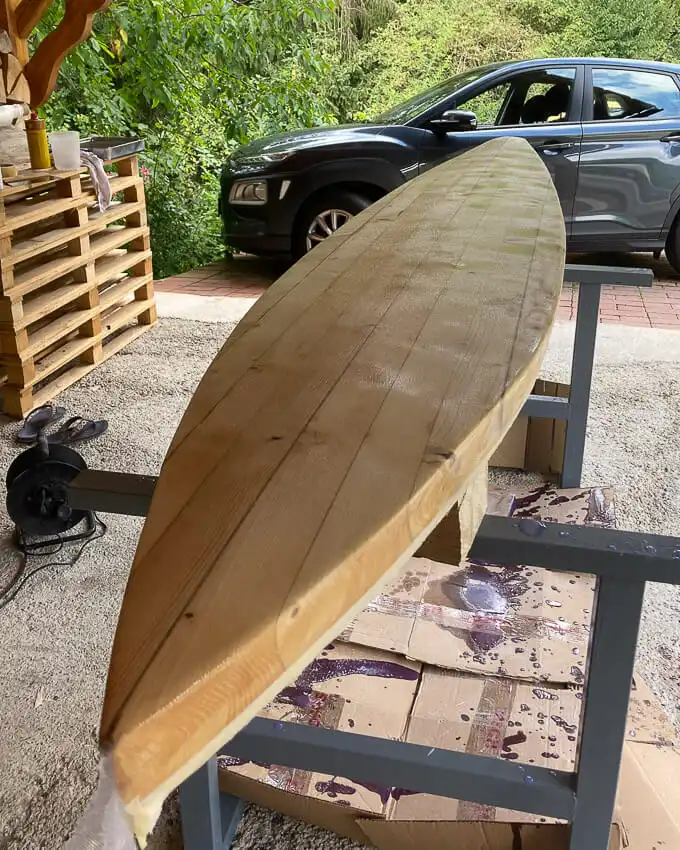
First, I glued the beams together into a solid block of wood. Next, I carved out the rough outline using a jig saw and a wood planner. After that, I cracked open the beams and hollowed each one, allowing the board to be lighter without compromising its strength. After reassembling the pieces, I shaped and sanded the board into the final shape. Finally, I added an epoxy coat and fiberglass for that extra durability. The last step involved sanding and polishing the board to a glossy finish.
Insights & Takeaways
Weight
I made the board using spruce wood, perhaps the most inappropriate wood choice for water activities. With a density ranging from 450 to 700 kg/m³, spruce wood falls into a relatively dense category, making it suitable for load-bearing and structural applications. For water activities, it would be much more appropriate to use balsa or paulownia wood, which has a much lower density of 40 to 340 kg/m³.
And with that comes the issue of weight. The board is heavy!
On the other hand, the board's large volume provides ample buoyancy and stays afloat above the water, even when carrying an 80 kg person. However, the high mass of the board also results in high mass inertia when it is moving. Once you get the board going, it almost feels like it's moving on its own. The experience is incredibly smooth, and it doesn't affect the ride even in choppy, wave-filled lakes.
Building Strategy
I carved the board out of a solid piece of wood and then hollowed it out. While this process was effective, it was time-consuming, and the result was suboptimal. The shell remains thick and heavy. Achieving homogenous wall thickness and symmetry was by design impossible, resulting in an unbalanced board. To avoid this issue in the future, it would be best to put the beams under a CNC machine for a precise and high-quality manufacturing process. Additionally, little slots could be added to make assembling the board easier.
Another convenient approach would be to construct the board in a manner similar to an airplane wing. First, building the frame using thin plywood, followed by lamination and shaping, and finally, apply an epoxy coating. This technique would result in a much lighter and more balanced board.
Hardware: Fins & Pressure Release Valve
The board I built lacks a few important components. It has no fin boxes nor a pressure relief valve (a vent). Fins would help stabilize the board when paddling, add aesthetic value, and improve directional hold. However, an even more important technical component is a pressure relief valve. Since the board is hollow, the air inside expands and compresses when exposed to temperature differences. This causes heaps of pressure on the epoxy coating, wood, and glue. After a month of use, I began to experience micro-cracks. Although I could not see them, I noticed tiny bubbles coming out of my board out in the water. This indicated that air was escaping and water was entering. A very undesirable situation, as water can cause delamination, rotting, and ruin the board over time.